What I Learned from Two Days of Interaction with Global Representatives of the Economy of Communion (EdC)
by Ricardo Voltolini
Source: post published on LinkedIn
The phrase in the title continues to resonate in my memory with the same intensity with which I heard it at the opening of the Global Meeting of the Economy of Communion on May 29 in Buenos Aires, Argentina. And, certainly, it will continue to echo for a long time to come, because memory retains with greater intensity what passes through the channels of emotion and relevance. In essence, that phrase expresses a powerful idea for those who, like me, work in the fields of sustainability and regenerative leadership: true “healing” does not come from ignoring the pain of the problem, but from going through it and extracting the elements necessary for recovery.
In the context of human development, this metaphor encompasses three meanings applicable both to the traumas of individual life and to the economic, social, environmental, climate, and—more recently—geopolitical crises afflicting the collective life of the world. The so-called “polycrisis,” as the late philosopher Edgar Morin so aptly defined it.
First: Regeneration requires, first and foremost, facing the wound head-on rather than masking it with superficial solutions.
Second: Just as healing is a process initiated by the body’s cells at the site of the wound, in both personal and collective life it is the pain of loss that catalyzes change, awakening the strength, resilience, and creativity needed to build something new. A pure and simple biological principle.
Third: regeneration is not synonymous with repair; it means that the new tissue born of healing tends to be stronger than it was before the wound formed.
If the metaphor has seemed too philosophical so far, let me return to what I actually heard at the EoC Congress.
The most effective models do not arise from sporadic victim-centered discourse or from “brilliant” ideas conceived in isolated offices, but in the peripheries, at the heart of crises, and in the cracks of the economic system itself. They always emerge from the inside out.
For this reason, they are essentially regenerative, as the Spaniard Isaías Hernando, co-leader of the EoC’s International Commission, emphasized during one of the event’s panel discussions.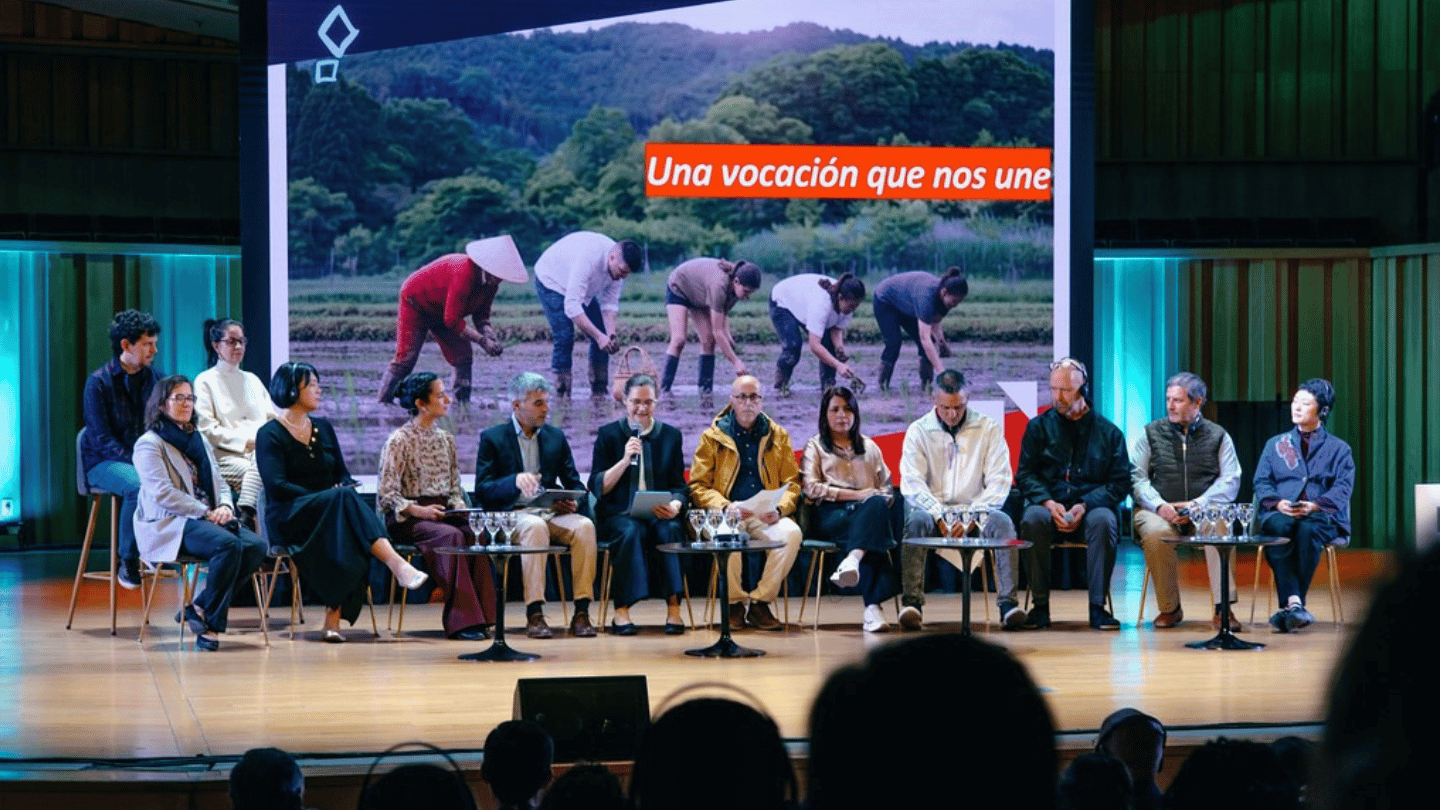
According to regenerative economics, crises represent opportunities for a fresh start and launching points for innovation and new, more efficient structures. They strengthen networks of cooperation that transform vulnerabilities into wealth, drawing on social, cultural, and spiritual resources. They assign a central role to communities, recognizing that only communities—with their deep understanding of the suffering in their own territories—are capable of learning to organize themselves and create solutions from the inside out.
From the perspective of sustainability, rather than limiting itself to the pursuit of “zero impact”—that is, ceasing to exacerbate environmental degradation and climate change—the regenerative economy unflinchingly acknowledges a major “wound in the fabric” and, as a form of healing, proposes more responsible enterprises that combine profit with the restoration of ecosystems and wounded communities.
During the two-day seminar, I learned about moving initiatives in education, community development, solidarity-based tourism, social entrepreneurship, integral ecology, and support for indigenous peoples. I discovered initiatives that have made an impact in Argentine locations such as Catamarca, Salta, Tucumán, and Entre Ríos, among others, and that have also improved conditions in cities as diverse as São Paulo and Salvador (Brazil), Asunción (Paraguay), Esmeraldas (Ecuador), and Santiago (Chile). I could write a book about it. But I could summarize what I’ve learned in two lessons that will serve me for a lifetime:
1. Regeneration means giving birth to something new. Not necessarily from scratch, but in a better and stronger way—from the inside out, addressing the socioeconomic wound.
2. Regeneration means putting the economy at the service of life and the human person. Not the other way around, as is the case today.
The model conceived by Lubich brings together leaders who care deeply about the whole world
Before sharing the conclusions of this conference, it is worth explaining what the Economy of Communion (EoC) is and also why, even though I am not Catholic, I decided to participate in a movement born within the Catholic Church.
The EoC was founded in 1991 in the city of São Paulo on the initiative of the Italian Chiara Lubich, founder of the Focolare Movement. Struck by the scandalous social inequality in the outskirts of São Paulo, during a period of severe economic recession in the country, the religious leader proposed an alternative model to welfare dependency to generate jobs, wealth, and human dignity. At the time, I was working as a journalist at *Folha de S. Paulo* and was very familiar with that reality: hyperinflation, unemployment, and rising hunger.
Instead of relying on the goodwill of the wealthy, Chiara believed that the most effective solution was to create a structural response to wealth creation using free-market principles. So she brought together entrepreneurs and encouraged them to develop competitive businesses, but ones guided by the logic of profit in “communion”: the collective sharing of results, collaboration and reciprocity, and just relationships among entrepreneurs, workers, customers, and suppliers.
Her idea of business poles spread rapidly throughout the world, with its ups and downs. Today there are nearly a thousand companies in fifty countries. They form a solid network of solidarity whose actions benefit approximately 200,000 people every three years.
Although I am married to a member of the Focolare Movement, I first came into contact with the EoC only in November 2025, during COP30 in Belém (PA), at a meeting with Lorna Gold, executive director of the Laudato Si’ Movement. It was almost love at first sight.
Not only because I recognized similarities in the model with practices I have admired for many years in Brazilian cooperatives, but also because, immediately afterward and without any prearranged plan, I met leaders who were truly ethical, caring, inclusive, principled, and eco-centered—far above average.
At once modest and inspiring, communion leaders are driven by a kind of energy unusual among traditional business leaders, which can be defined as a “gift” or a “culture of giving.” This inner strength—a blend of humility, compassion, and solidarity—consists of putting talents, profits, and resources at the service of the common good. In practice, not just in words.
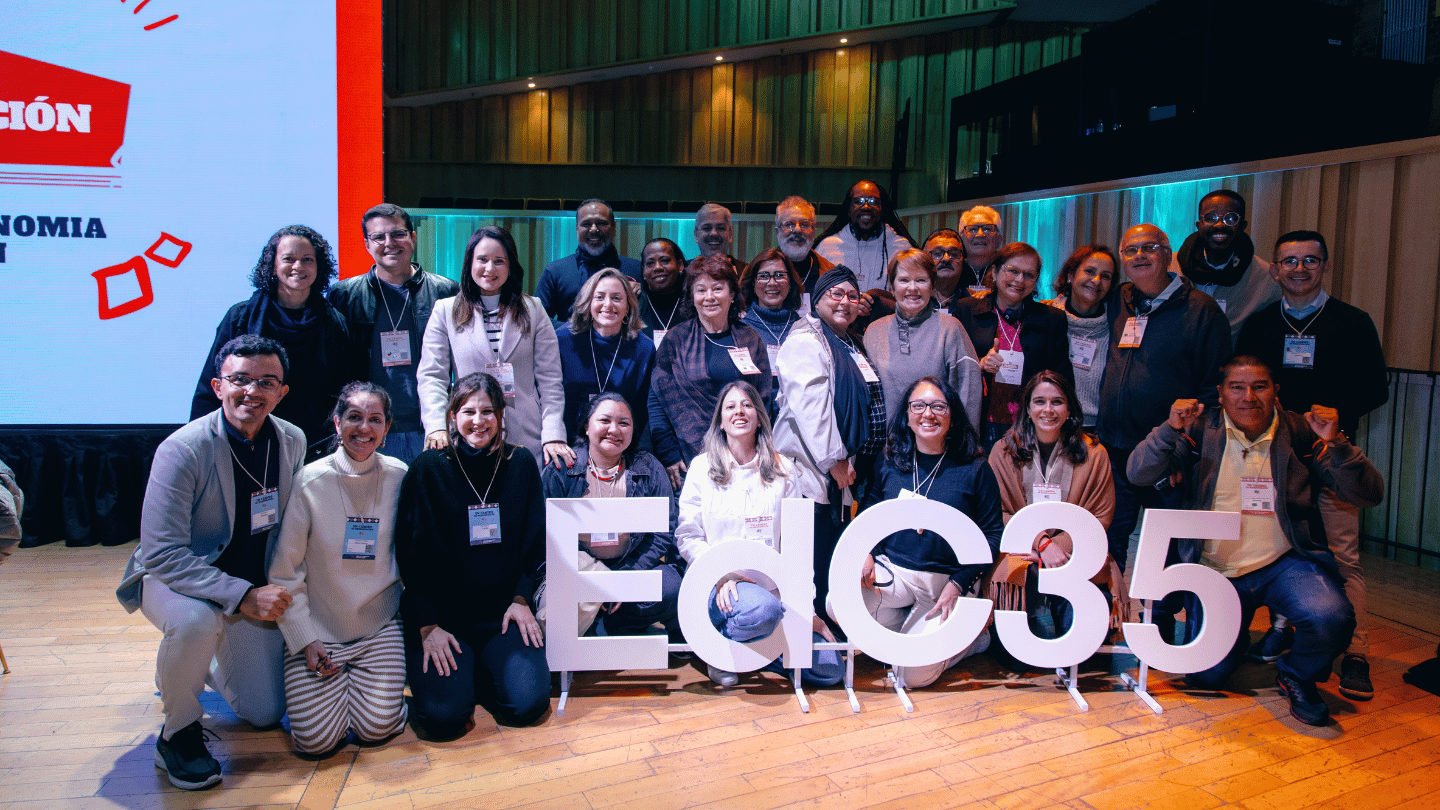
Communion leaders do not live on autopilot, stressed, disconnected, and under constant pressure to achieve unrealistic goals. They are guided by love and a sense of purpose. They possess inner qualities that make them more balanced and happy—like a compass made up of values, integrity, presence, empathy, resilience, the ability to connect, an awareness of interdependence, a proactive worldview, the ability to build relationships, and the capacity to co-create solutions. As the founder of the Marcas que se Importam movement, I see in them leaders who care for others and for the world.
Believe me: spending a couple of days alongside leaders who care for others restores the best of humanity that exists within us, awakens an unexpected sense of poetry, and strengthens our optimism on the path toward building a better world. For this reason, even if I hadn’t learned everything I did at the Congress, it would still have been worth attending simply as a form of therapy.
Diversity, vocation, and a spirit of community characterize an event celebrating the good
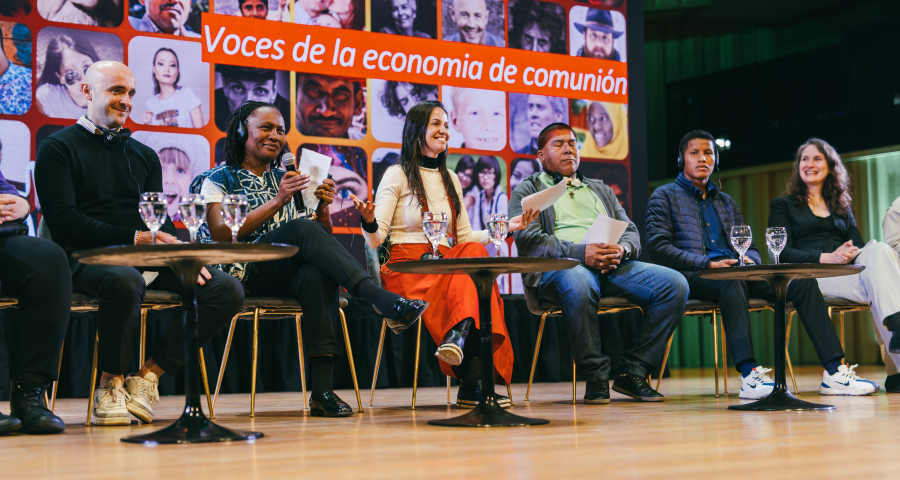
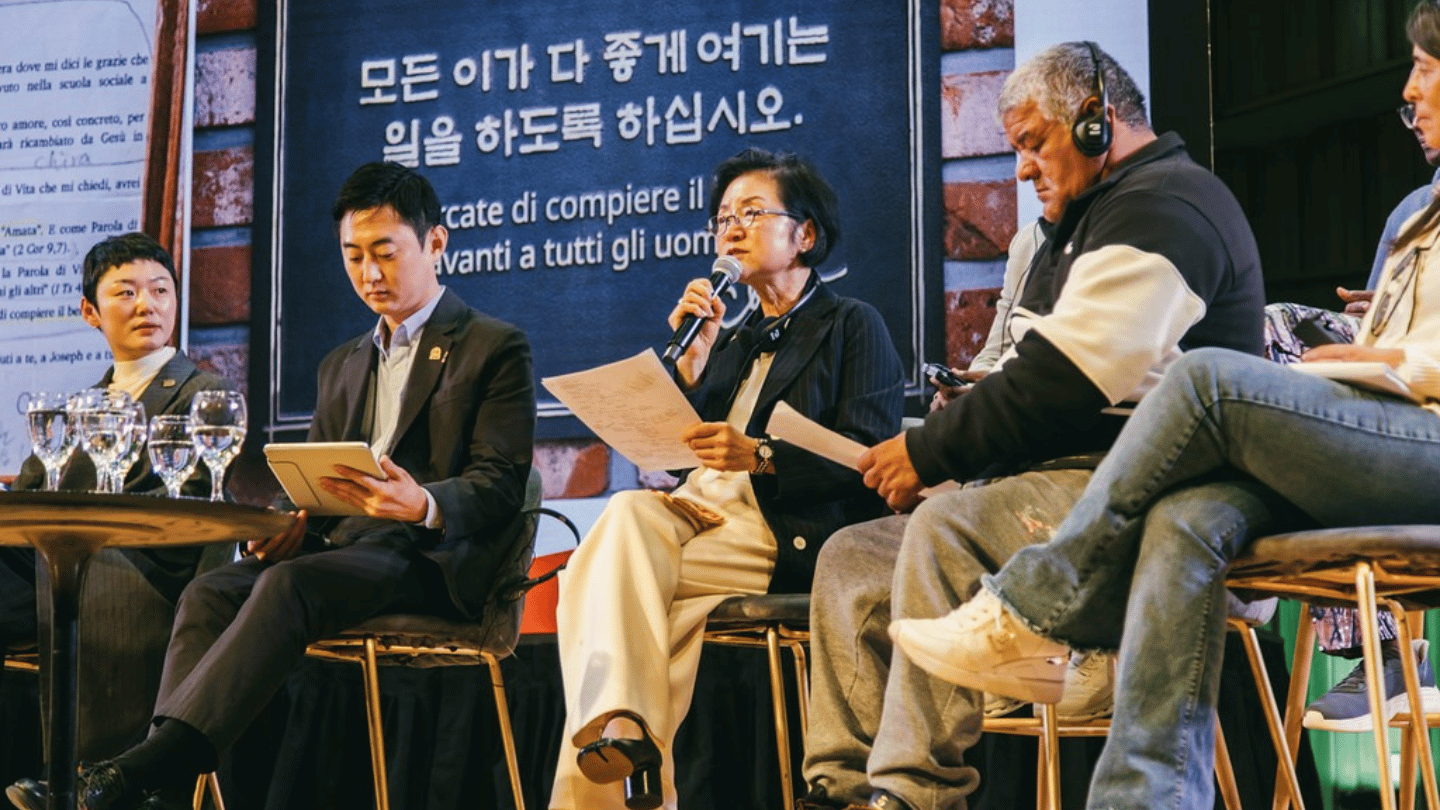
With over 400 participants from 43 countries around the world, the International Congress of the Economy of Communion took place in two phases. A first three-day immersion phase, during which participants were able to learn about 16 local Latin American initiatives “on the ground in the communities”. The second phase took place at the Usina del Arte Cultural Center in the La Boca neighborhood, where project leaders had the opportunity to share their stories and challenges.
“It is up to us, the Economy of Communion, to continue offering the world what makes us a unique, profound, and authentic proposal—one capable of transforming regions, businesses, organizations, and people by immersing ourselves in the heart of their wounds. We generate new economic cultures rooted in communion. Without this substance, new rules and new markets will not be sustainable,” stated Maria Helena Fonseca Faller of Brazil, a member of the International Commission of the Economy of Communion, at the event’s opening.
It was particularly moving to hear the testimony of Vanderlei Burure Wadi, a Xavante leader, on the impact of the “Supera” Program run by the Economy of Communion in Brazil, which funds scholarships for young people from that indigenous community in Mato Grosso.
I was also struck by stories such as that of the Cameroonian chocolate producer Mabs&Smalls Kitchen and that of the South Korean bakery Sung Sim Dang—enterprises of communion that reconcile profit with employee well-being, the sharing of economic results, care for the environment, and community development.
 I was particularly pleased to meet the Brazilian entrepreneurial couple Armando and Roseli Tortelli. As early enthusiasts of the EoC, they have just established the Protelli Teko Porã Institute in Foz do Iguaçu (PR), with the aim of supporting improvements in the quality of life for the Guaraní people living in the Triple Frontier region.
To support the organization’s activities, they have put one of the concepts of the Economy of Communion into practice: using resources from the profits of one of the companies in their family holding group, they hope to focus on five areas: education and training, health and well-being, culture and economy, management and sustainability, and law and justice.
“Our desire is to promote the dignity of the Guaraní indigenous people, with particular attention to children and young people,” Armando told me with a smile. He has been pursuing this path by regularly visiting the community since 2018 and strengthening ties with its representatives.
Regeneration requires the co-creation of restorative solutions in local communities
The Buenos Aires Congress concluded its proceedings in an atmosphere of universal celebration, rich in insights, several commitments, and at least two significant general conclusions.
 The first reflects a now-well-known trend in the ESG world: the shift from the concept of sustainability to that of regeneration. According to supporters of the EdC, companies can no longer limit themselves to mitigating damage; they must redesign processes to restore degraded ecosystems and heal torn social fabrics. This is what the few most proactive companies in the field of sustainability are doing.
The second conclusion is that the top-down model of charity, based on the notion of poverty, has reached its limits and must be replaced by solutions created collaboratively with local leaders in urban and rural peripheries. The challenge will be to harness the cultural and spiritual riches and traditional knowledge of communities, with the goal of generating well-being and autonomy.
As the event drew to a close, while I was quietly celebrating the blessing of having met so many kind and inspiring people, I couldn’t help but recall the philosopher Saint Augustine (354–430 AD), author of the *Confessions* and one of the great Doctors of the Catholic Church: “If man knew the advantages of being good, he would do good out of self-interest.”
To participate more actively in their initiatives, visit: www.globaledc.org
Ricardo Voltolini is one of the pioneers of corporate sustainability in Brazil. Founder of Ideia Sustentável and the Marcas que se Importam movement, he is a writer, professor, speaker, mentor, and consultant to businesses and organizations.