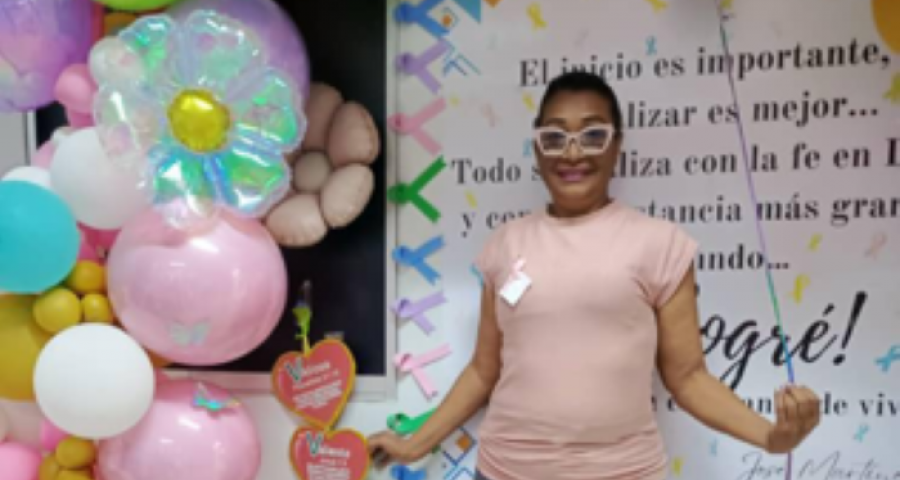
#OPLAStories - From Caring for Others to Needing Care: When Life Is Turned Upside Down
by Tainà Santana
We are in Valencia, Venezuela, where Neudis writes to us: married, mother of three children, grandmother of several grandchildren, and a nurse by profession. Here, nurses in public hospitals receive very low base salaries in bolivars, equivalent to about 10–20 euros per month, supplemented by bonuses provided by the government.
Precisely because of these insufficient wages, a high percentage of nurses have left the public system or the profession altogether: between 60% and 80% have quit their jobs or emigrated, driven by the economic crisis, low wages, and difficult working conditions. This situation has led to a staff shortage in hospitals exceeding 70%, with serious repercussions on healthcare.
Neudis tells us:
“My profession leads me to face the pain of the people I meet in the hospital every day, but I also feel joy and satisfaction in being able to offer concrete help to those in need.”
In 2023, news arrives that turns her life upside down: she is diagnosed with breast cancer. From caring for others, Neudis suddenly found herself living with her own pain—not only physical but also emotional. She says:
"It wasn’t easy to learn I had a disease to fight, but thanks to the support of family and friends, I managed to find the strength to keep going every day. I feel very positive and spiritually strong."
When we asked her what thoughts had crossed her mind, she replied:
“There is a proverb that emphasizes how health is the fundamental pillar for enjoying life, working, and achieving one’s goals: ‘When you have health, you have everything.’ Complete health encompasses physical, mental, and social well-being, not just the absence of illness. Without it, other goals lose their meaning, unless it is faith in God that sustains you, along with family and a supportive community.”
When she received the diagnosis, Neudis sought financial assistance from government institutions but received no positive response. Faced with this situation, like many Venezuelans in her same condition, she immediately took action, organizing various fundraising activities to cover the expenses: raffles and street parties.
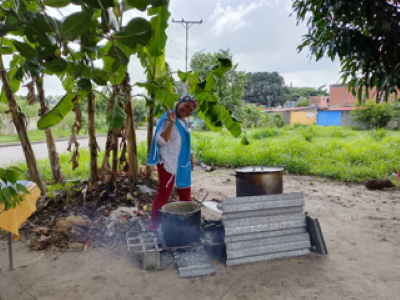 Through the group of local workers in Venezuela, the Economy of Communion learned of her situation and provided financial support, helping her cover the costs of medical treatments and tests, which were very high and impossible to afford on a nurse’s salary alone. In Venezuela, in fact, patients and their families often have to procure medical supplies themselves—medications, bed linens, and even surgical equipment for public hospitals—due to the severe healthcare crisis and structural shortages. This situation forces them to incur substantial expenses for basic necessities, even though care is supposed to be free, resulting in delays in treatment and risks to patients’ lives.
“Although my treatment will continue throughout the year,” Neudis concludes, “I have faith in God that He will not abandon me and that He will continue to place generous people in my path.”
You see, often we cannot resolve situations and challenges—neither our own nor those of those around us. So what can we do? Be present. Walk together. Neudis’s experience teaches us that a shared journey is capable of restoring hope to each of us and that we, too, can, in turn, do the same.