The Church is losing touch with the younger generations. To reconnect with young people, we need new narrative codes that proclaim the Gospel alongside scientific discoveries, the environment, the economy, rights...
by Luigino Bruni
published in Il Messaggero di Sant'Antonio on 03/12/2025
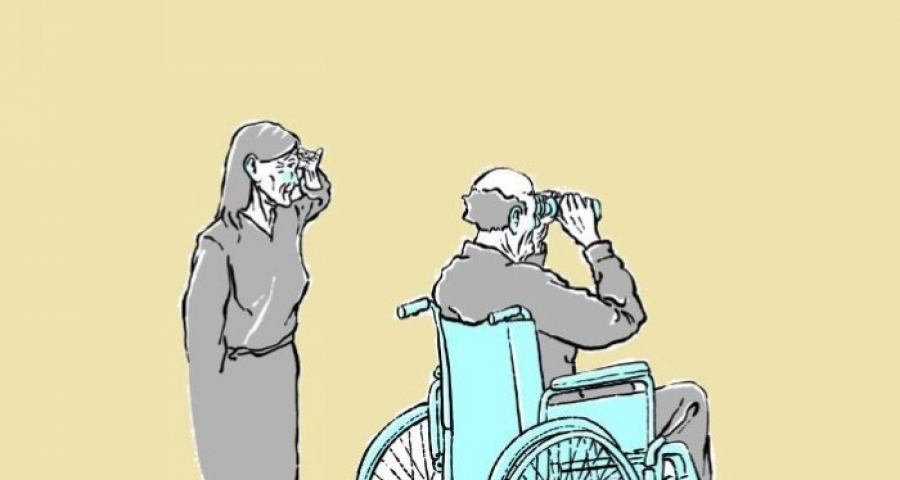
The common feature of our times is a shortage of young people, exacerbated by the demographic winter (and hell) that has many causes, including an anthropological change in young women, especially Western and therefore Christian women, which stems from a rejection of the idea of woman and mother, promised and promoted for centuries by Christianity, which has been unable to see, understand, or respect women at almost all levels. I was struck by what an 80-year-old friend of mine said to me a few days ago: “You have also taken away our desire for motherhood, the most precious treasure of women.” Politicians complain about the lack of young people involved in politics, in parties, but also at the ballot box. If you listen to the non-profit and voluntary sectors, they too complain about the absence of young people, not to mention the Church, parishes, and movements, which for decades have been suffering from the absence of young people and therefore of innovation and vocations.
So where have the young people gone? What has become of them? What pied piper has taken them away from our vital worlds? And what are their passions and ideals—if they still have any—especially the collective passions that are crucial to the moral quality of adult life? In reality, if we look even superficially, we can see the world of young people every now and then and in some places: we see them in discos, at their beloved aperitifs, sometimes in sports. We also see young people almost all at school or university, where they express, perhaps, their greatest beauty. But even at university, we see them smoking a lot again, especially girls—who is the genius who invented electronic cigarettes? They deserve the Nobel Prize for “common evil”—after my generation had managed to make smoking almost forgotten for decades. Thank God, we find quite a few of them involved in environmental and human rights issues. But, unfortunately, many are not visible because they are in their bedrooms immersed in their devices. I am increasingly convinced that in order to see and find young people, we should look more closely in places where we do not look enough, partly because we do not yet know them thoroughly, places that are not always dangerous and bad.
The Church is losing touch with young people, especially those over 20-25, because it still makes extensive use of pre-modern narrative codes to transmit the faith, and because with the few adolescents it still reaches, it insists heavily on sociological (company) and emotional aspects; and so when they enter the world of work, this beginning of adult life becomes the end of that budding religious life that cannot withstand the impact of adulthood. For a new encounter with the world of young people, there is an urgent need for new narrative codes that proclaim the Gospel together with new scientific discoveries, the environment – think of the prophecy of Laudato si' –, the economy, rights, poverty, and freedoms, without fearing the modern world but including it: modernity is the daughter of Christianity, not its enemy. Without this new envelope of faith, which is all substance, young people will find themselves in a spiritually desolate land, where they will live very badly even if they do not yet know it. And this is very unfair.
Photo credit: © Giuliano Dinon / MSA Archive